Music
“Music is a world within itself, with a language we all understand.”
—Stevie Wonder
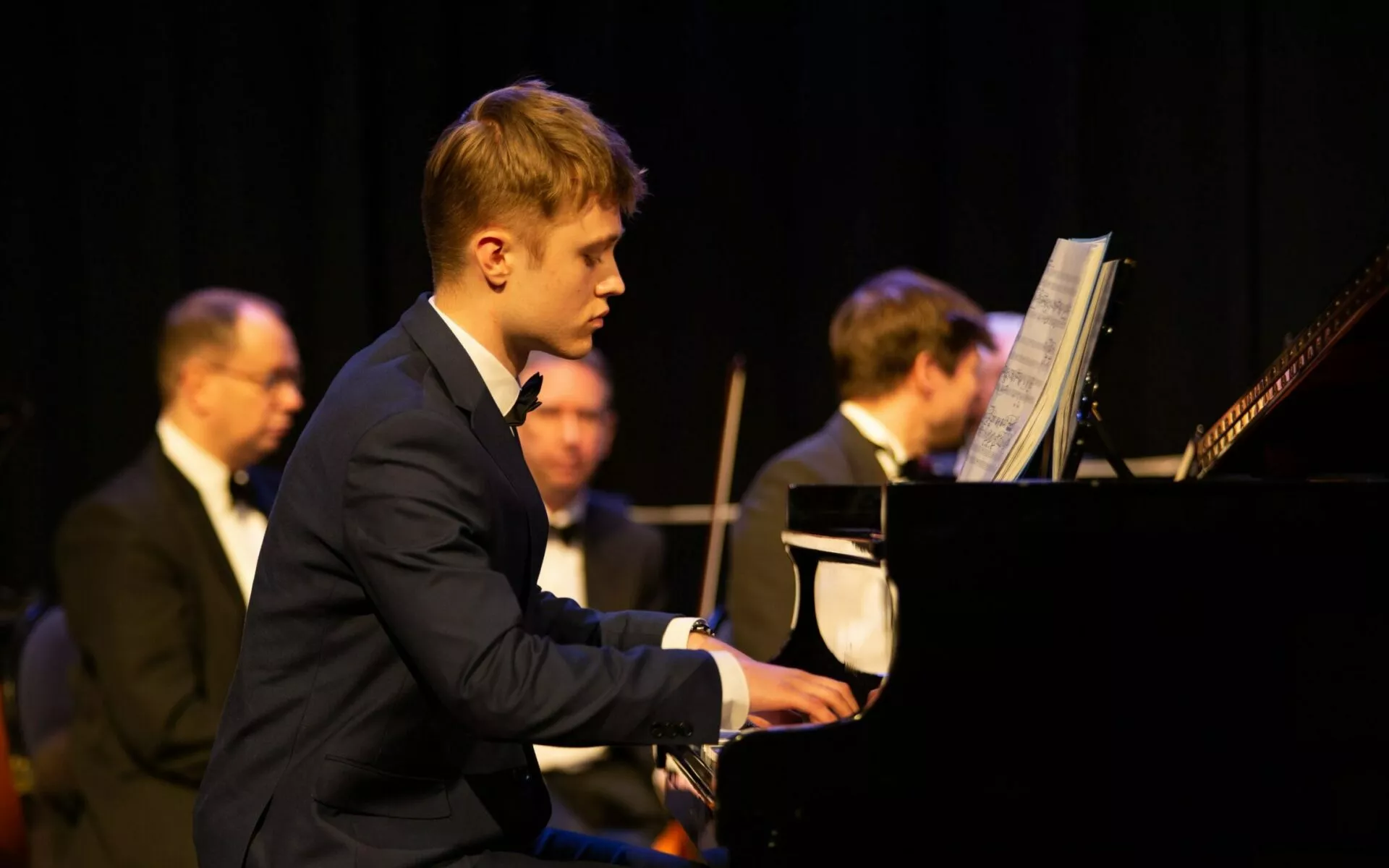
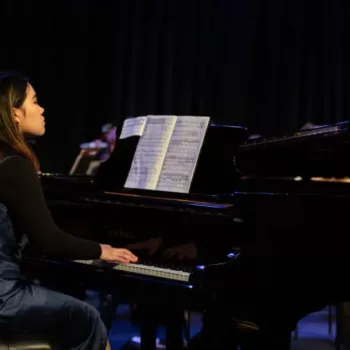
Music is a powerful form of communication. It is a language common to all cultures and societies. The way we develop such a language can be explored through the mediums of performance, composition, production, improvisation, analysis- seemingly endless possibilities.
The international status of Concord College brings with it a wealth of musical tradition from all over the world. Our Music department provides a space for all students who want to share their musical talents and cultural heritage.
In learning about Music, we learn more about ourselves; emotions, intentions and meanings can be shared and understood. In playing music, we relate to others, we empathise and make social, cultural and emotional connections. In creating music, our resilience, determination and perseverance are challenged. In the exploration of music, we value the contribution of others, we collaborate and problem solve together.
In addition to music within the curriculum, Concord has a team of specialist teachers who can provide tuition for instrumental specialists. We currently have students studying up to diploma level. There are also many opportunities for social music making and enjoyment.
In the words of Hans Christian Anderson, “when words fail, music speaks”.

5 practice rooms

Class rehearsal room
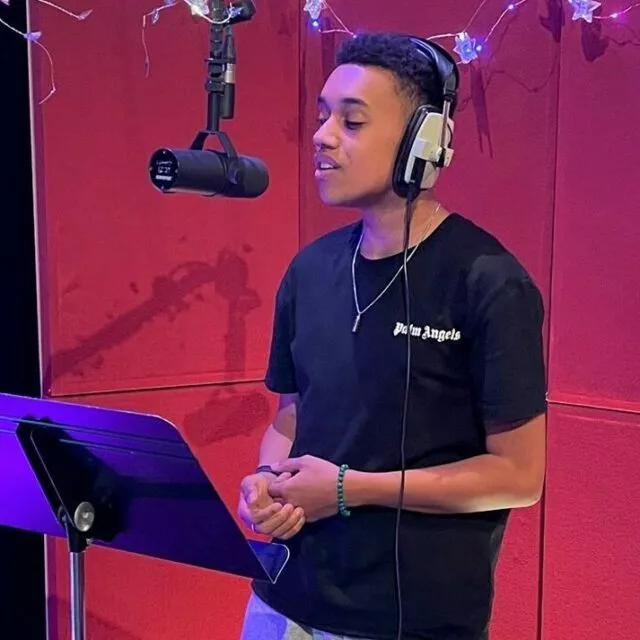
Music technology suite

Multi-track recording studio
Form 3
In Form 3, Concord students explore music making through performance, composition and listening projects. Practical engagement is at the core of the lessons, as is the opportunity to discover and unearth new skills through collaborative work and shared musical experiences
Forms 4 & 5
Board
Eduqas GCSE Music
Mode of assessment
NEA (Coursework 60%), Written Exam (40%)
Students in F4 and 5 follow the Eduqas GCSE music specification which encourages them to approach the three distinct disciplines of PERFORMING, COMPOSING and APPRAISING. This is done through four Areas of Study which are designed to develop knowledge and understanding of music through a variety of genres and styles.
A GCSE in Music encourages students to broaden their musical experience, develop as an independent learner and advance imagination and foster creativity.
Students will develop performing skills individually and in groups; develop composing skills; recognise contrasting genres, styles and traditions of music, and develop awareness of musical history and heritage; and develop awareness of music technologies and their use in the creation and presentation of music.
Sixth Form Academic Music EPQ
Board
Edexcel
Mode of assessment
Project
Our Sixth Form students can study for an Extended Project Qualification (EPQ). Projects can be performance, composition or artefact based, or students can choose to focus on research and investigation of a particular topic, which allows for an entirely individual and personalised learning approach.
Completing a music-related EPQ allows students to independently investigate something that really interests them. Top universities in particular recognise the benefits of the EPQ and the opportunities it provides for applicants to develop independent study and research skills.
Music

Blackburn Music Festival Young Pianist of the Year
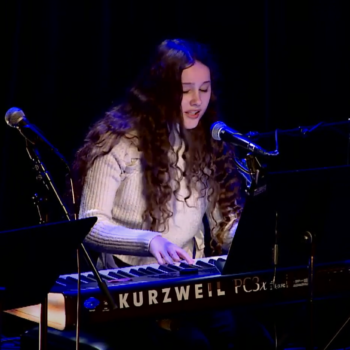
Musical Success for Macy
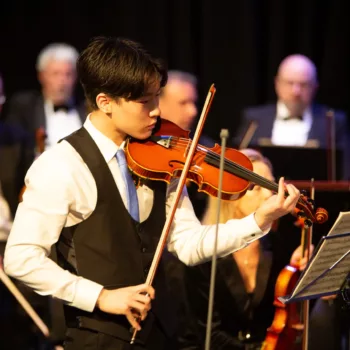
An Invitation to Concord’s Concerto Competition 2023

Edinburgh Music Competition

Music Students Raise £900 for Charities
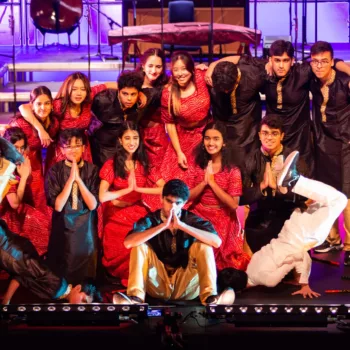
Legends and Dreams – The Winter Showcase
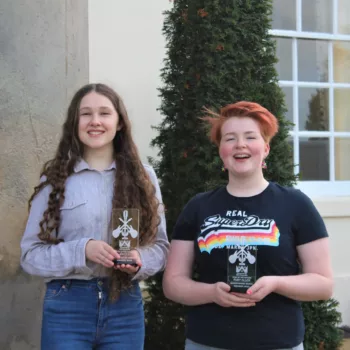
Stars of the Future – Shropshire Music Awards
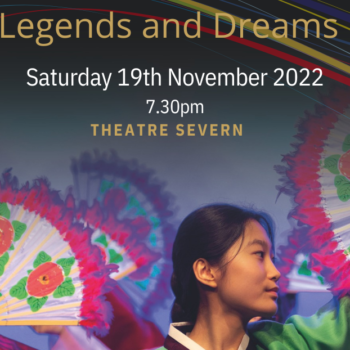
Legends and Dreams